Awesome Since 1958 Mirror Word: Graphics and Crafts in One
As a graphic designer with years of experience working on branding, marketing visuals, and digital design assets, I always look for creative tools that can elevate a project without complicating the process. The Awesome Since 1958 Mirror Word is one such asset that caught my attention during a recent client project. It’s not just a simple clipart or illustration—it’s a versatile design element that can be used across multiple mediums, from print to digital.
The First Impression: A Bold Statement in Design
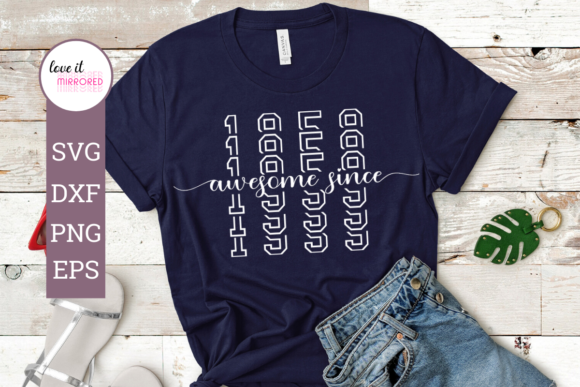
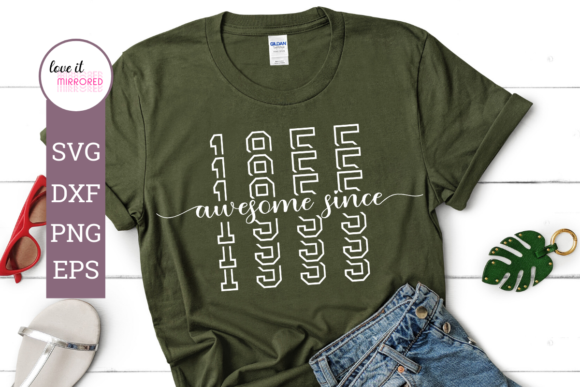
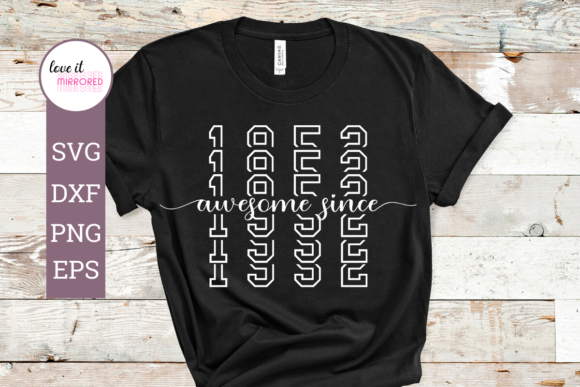
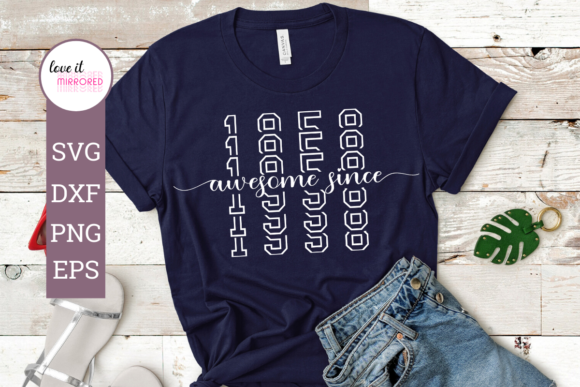
When I first saw the Awesome Since 1958 Mirror Word, it immediately evoked a sense of nostalgia mixed with modern flair. The mirrored text effect creates a unique visual impact, making it ideal for projects that want to stand out. The style feels handcrafted, which aligns well with handmade businesses, small business branding, and boutique product lines. It’s not overly complex, but it has enough detail to add character without overwhelming the design.
This design fits naturally into themes like vintage aesthetics, retro-inspired campaigns, and artisanal branding. It works especially well when paired with warm color palettes, textured backgrounds, or organic shapes. For a client looking to create a memorable identity, this could be a strong visual anchor.
Real-World Applications: Where It Shines
One of the most practical aspects of the Awesome Since 1958 Mirror Word is its versatility. I’ve used it in several real-world scenarios, including:
- Logo design: As a supporting element in a logo concept, it adds a unique twist without competing with the main typography.
- Packaging design: Perfect for adding a decorative touch to product boxes, labels, or tags, especially for handmade or artisanal items.
- Social media graphics: Works well as a hero graphic or background element for Instagram posts, Pinterest pins, or Canva templates.
- Print-on-demand: Ideal for t-shirt designs, mugs, tote bags, and other merchandise where a bold, eye-catching element is needed.
- Editorial design: Great for magazine spreads, blog visuals, or editorial layouts that require a bit of flair.
It also performs well in digital ads, website graphics, and printable designs. Its high-resolution PNG files and scalable SVG format make it easy to integrate into any workflow, whether you're using Adobe Illustrator, Canva, or Cricut.
Best Use Cases: Large Layouts and Themed Projects
The Awesome Since 1958 Mirror Word excels in large layout areas where it can be the focal point. It’s perfect for product mockups, themed collections, and campaign visuals that need a strong visual statement. When placed on a clean background, it becomes a standout element that adds personality and depth to the design.
It also works well as a decorative accent in sticker design, invitation design, or merchandise packaging. For a seasonal campaign or local event, it can help create a cohesive visual mood that resonates with the target audience.
Caution Areas: Minimalist and Corporate Designs
While the Awesome Since 1958 Mirror Word is visually striking, it may not be the best choice for every project. In minimalist branding or professional corporate materials, its boldness could clash with the desired simplicity. Similarly, in crowded layouts or low-contrast designs, it might lose its impact and become difficult to read.
If your client’s brand relies on clean visual hierarchy or a very structured design approach, this asset may need careful placement. It’s important to test it in different contexts before finalizing a design.
Design Considerations: What Every Designer Should Check
Before using the Awesome Since 1958 Mirror Word for a client project, there are several things to consider:
- Test in black and white: See how it looks without color to understand its contrast and readability.
- Check contrast on light and dark backgrounds: Ensure it remains visible and legible in all scenarios.
- Preview at small and large sizes: Make sure it scales well without losing quality.
- Place on real mockups: See how it interacts with other elements in the design.
- Review file formats: Confirm that the SVG and PNG files are editable and high quality.
- Inspect PNG transparency: If included, ensure the transparent background is clean and consistent.
- Compare with different fonts: See how it pairs with serif, sans serif, script, or display fonts.
- Confirm commercial licensing: Make sure it’s suitable for the intended use, especially if it’s for a client or commercial project.
These steps help ensure that the Awesome Since 1958 Mirror Word will perform as expected and meet the client’s needs without causing any last-minute issues.
Why This Asset Matters in Creative Work
In the world of graphic design, having access to high-quality, versatile assets is crucial. The Awesome Since 1958 Mirror Word offers a unique blend of creativity and functionality that can enhance a wide range of projects. Whether you’re designing for an Etsy product, a print-on-demand store, or a manual business, this asset can add value without requiring extensive customization.
Its inclusion in a design bundle makes it a valuable addition to any creative marketplace portfolio. With its SVG design, PNG design, and DXF and EPS cut files, it’s ready for use in both digital and physical applications. For designers who work with Cricut projects, sublimation design, or sticker design, this is a must-have.
Ultimately, the Awesome Since 1958 Mirror Word is more than just a visual element—it’s a tool that can help shape the tone, mood, and success of a design project. When used thoughtfully, it can make a big difference in how a brand is perceived and how a message is communicated.