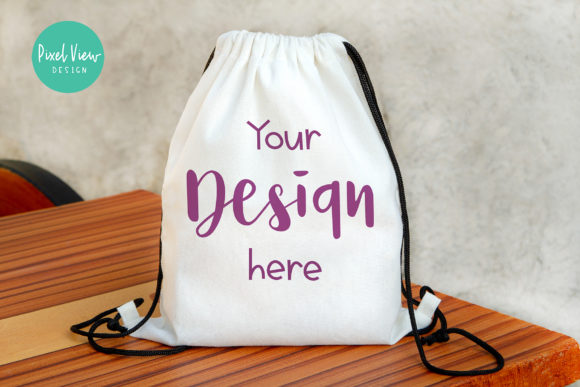
Canvas Bag Mockup I Outdoor: Graphics and Bags Amp
As a graphic designer with years of experience in branding, packaging, and digital product design, I always look for high-quality design assets that can elevate a client’s visual identity. The Canvas Bag Mockup I Outdoor from PIXEL VIEW DESIGN caught my attention as a potential tool for real-world projects. This mockup offers a versatile foundation for showcasing artwork, text, or branding elements, making it a valuable addition to any creative design toolkit.
The First Impression: A Natural, Earthy Vibe
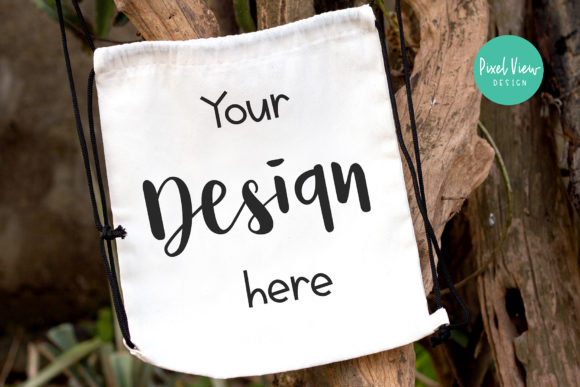
The Canvas Bag Mockup I Outdoor immediately conveys a sense of simplicity and authenticity. Its muted tones, soft textures, and organic shapes suggest a connection to the outdoors, handmade craftsmanship, and eco-conscious living. This visual mood makes it ideal for small business branding, seasonal campaigns, or boutique product lines that want to communicate a natural, grounded aesthetic.
The mockup’s style leans into modern design while maintaining a rustic charm. It feels like a perfect fit for handmade businesses, Etsy shops, or print-on-demand sellers looking to create visually appealing marketing materials without sacrificing quality or coherence.
Real-World Applications: Where It Shines
In practical design scenarios, the Canvas Bag Mockup I Outdoor excels in several areas. For logo design and brand identity work, it provides a clean, professional backdrop that allows the client’s artwork or typography to stand out. Whether used for t-shirt design, sticker design, or Canva templates, this asset adds a layer of realism and context that static images often lack.
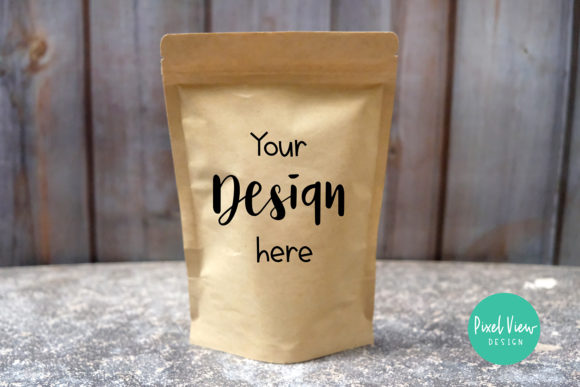
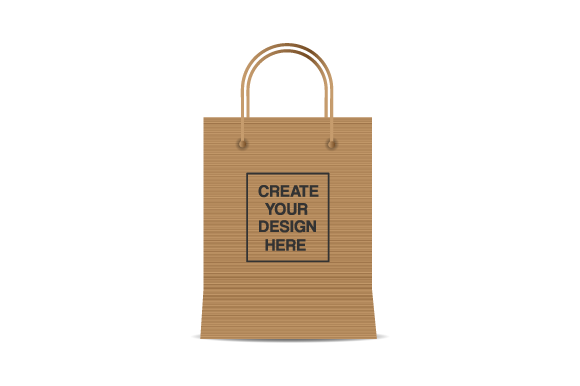
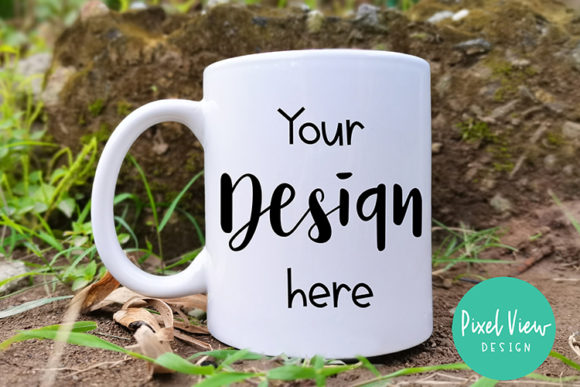
For packaging design and product mockups, the Canvas Bag Mockup I Outdoor is an excellent choice. It works well for merchandise like tote bags, mugs, or even printable wall art. The mockup’s texture and lighting make it easy to integrate into social media graphics, blog visuals, or editorial design pieces that require a tactile, authentic feel.
It also supports commercial design projects, especially those involving sublimation design or printable designs. The asset’s clarity and resolution ensure that it looks sharp on both digital and physical outputs, making it a reliable choice for clients who need consistent results across platforms.
Best Use Cases: Large Layouts and Themed Campaigns
This design asset performs best in large layout areas, hero graphics, and themed collections. It can serve as a decorative accent in campaign visuals or as part of a cohesive brand story. For example, a seasonal campaign promoting outdoor gear or sustainable products could use the Canvas Bag Mockup I Outdoor to reinforce the message through its natural aesthetic.
It also works well in packaging details, where its realistic texture helps convey the quality and uniqueness of a product. When used in printable designs or digital ads, it enhances the overall visual appeal without overwhelming the composition.
Where to Use with Caution: Minimalist and Corporate Projects
While the Canvas Bag Mockup I Outdoor is versatile, it may not be the best choice for minimalist branding or professional corporate materials. In crowded layouts or low-contrast designs, the mockup’s texture can become distracting rather than supportive. Similarly, in projects that require very clean visual hierarchy, the asset might compete with other elements instead of complementing them.
For small sizes or complex backgrounds, the detail in the mockup could be lost or appear cluttered. Designers should test it at various scales and on different backgrounds to ensure it maintains its impact without compromising readability or brand consistency.
Impact on Readability and Brand Consistency
The Canvas Bag Mockup I Outdoor has a subtle but meaningful effect on readability and visual trust. Its natural textures help create a sense of authenticity, which can enhance audience engagement and emotional appeal. When used appropriately, it reinforces the brand’s message and builds a stronger connection with the target audience.
However, designers must be mindful of how it interacts with other elements in the composition. If the mockup’s texture clashes with the background or overwhelms the text, it can hurt the overall impression of professionalism and polish. Balancing the asset with clear typography and strategic spacing is key to maintaining a cohesive brand identity.
Practical Designer Notes: What to Check Before Use
Before using the Canvas Bag Mockup I Outdoor for a client project, there are several practical steps to take. Test it in black and white to see how it holds up without color. Check contrast on both light and dark backgrounds to ensure visibility and legibility.
Preview the asset at small and large sizes to confirm it remains effective across different applications. Place it on real mockups to see how it integrates with actual products or designs. Test print quality if it will be used for physical outputs, and review file formats to ensure compatibility with your workflow.
If transparency is involved, inspect PNG design files carefully. For vector-based assets like SVG design, verify editability to ensure flexibility in future revisions. Compare the mockup with different font styles—serif, sans serif, script, handwritten, and display—to find the best match for the project’s tone and purpose.
Finally, always confirm the commercial license before using it for a client or business project. This ensures legal compliance and protects both the designer and the client from potential issues down the line.
Conclusion: A Useful Asset for Creative Design
The Canvas Bag Mockup I Outdoor is a strong graphic design asset that can enhance a wide range of projects. From handmade businesses to print-on-demand sellers, it offers a realistic and stylish way to showcase artwork and branding. When used thoughtfully, it adds depth, texture, and authenticity to marketing visuals, packaging, and digital content.
For designers working on small business branding, editorial design, or social media graphics, this mockup can be a valuable tool in the creative process. By understanding its strengths and limitations, professionals can make informed decisions about when and how to incorporate it into their work.